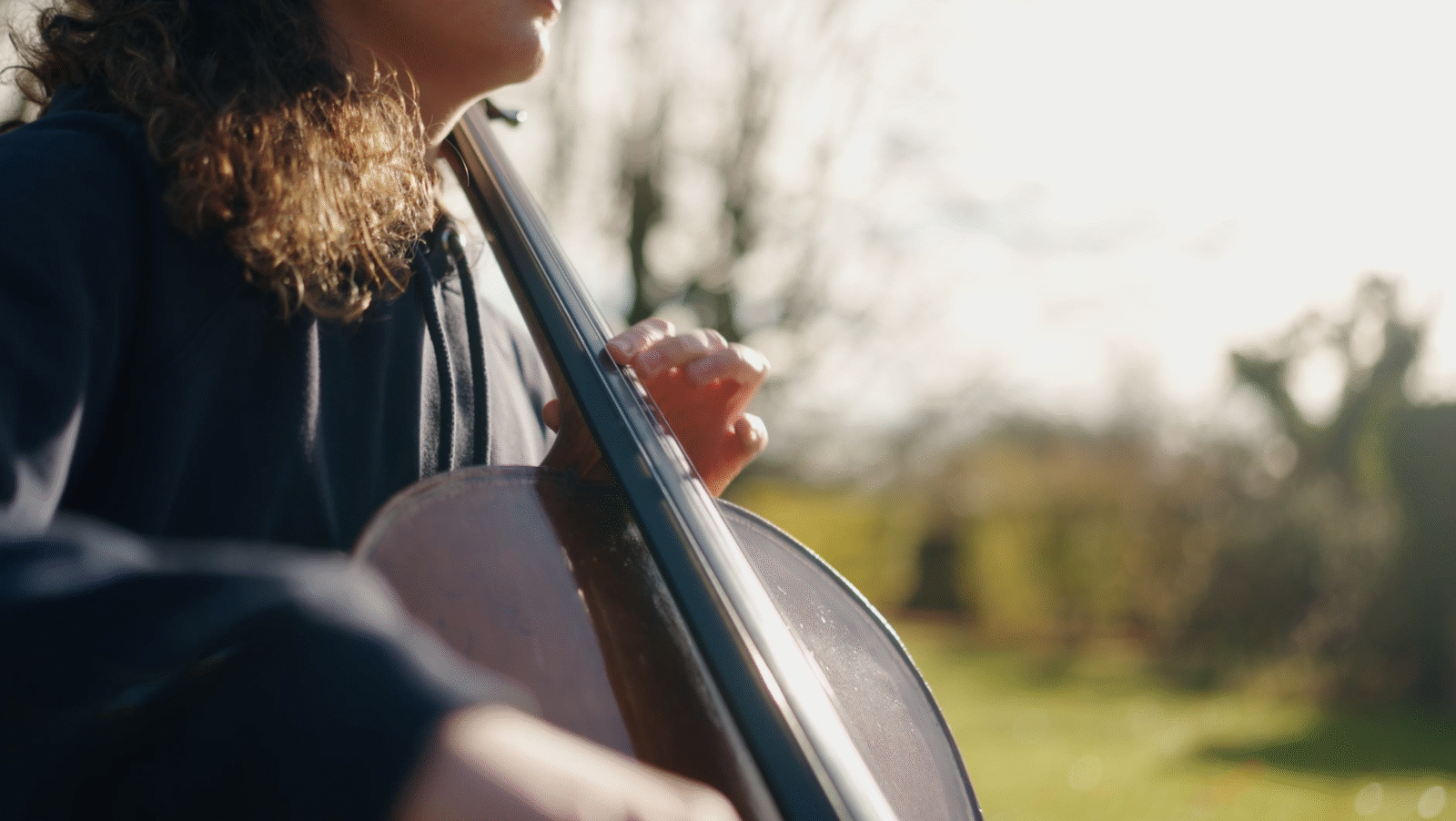
The Music Chapel expands in the Argenteuil Estate
My deepest wish has always been that the level of excellence at the Queen Elisabeth Music Chapel may help young talents give the best of themselves and build an international musical elite beyond cultures and borders. The extension of the Music Chapel to the Argenteuil Estate represents a historic opportunity in the service of music as a universal language.
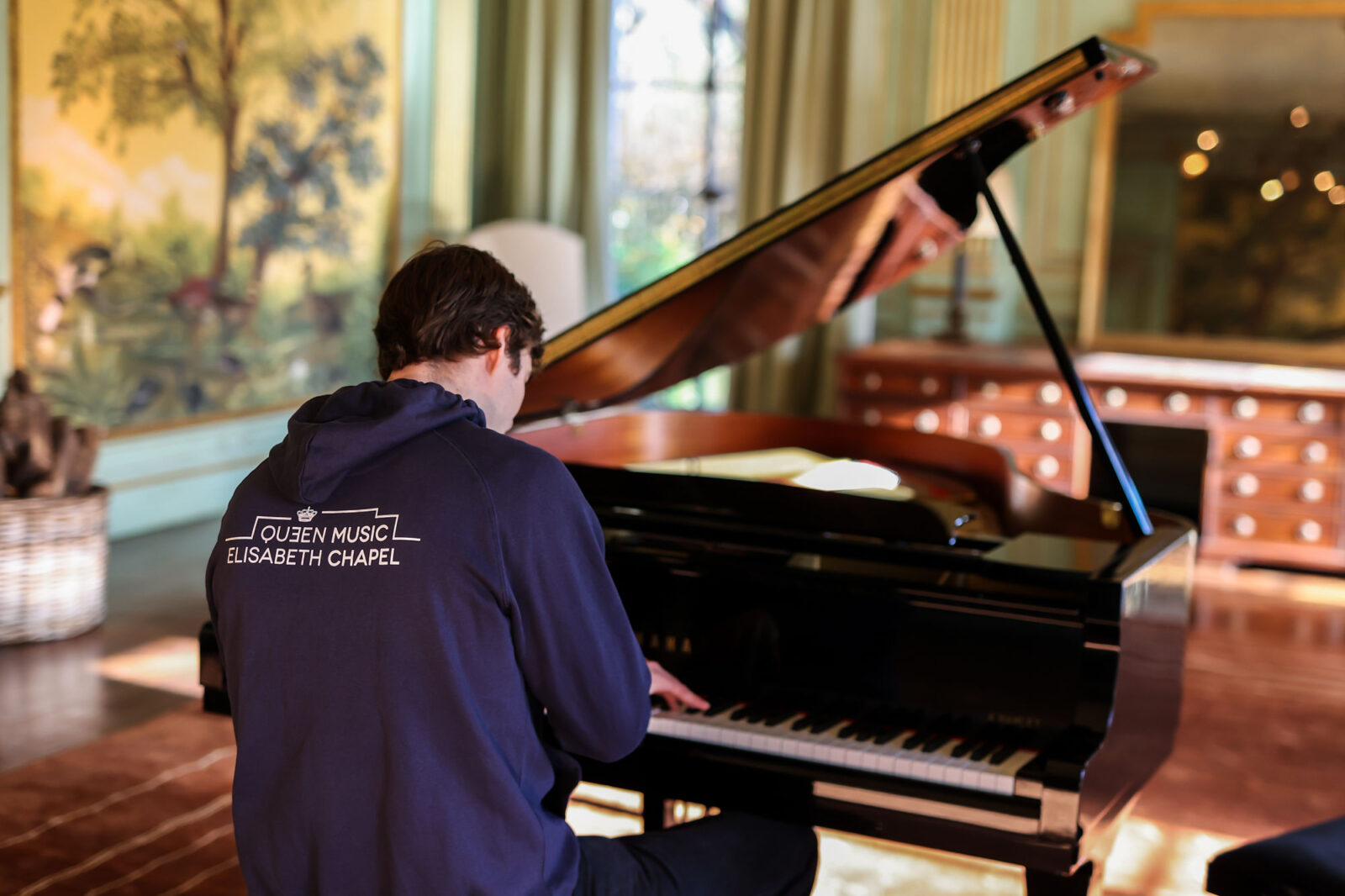
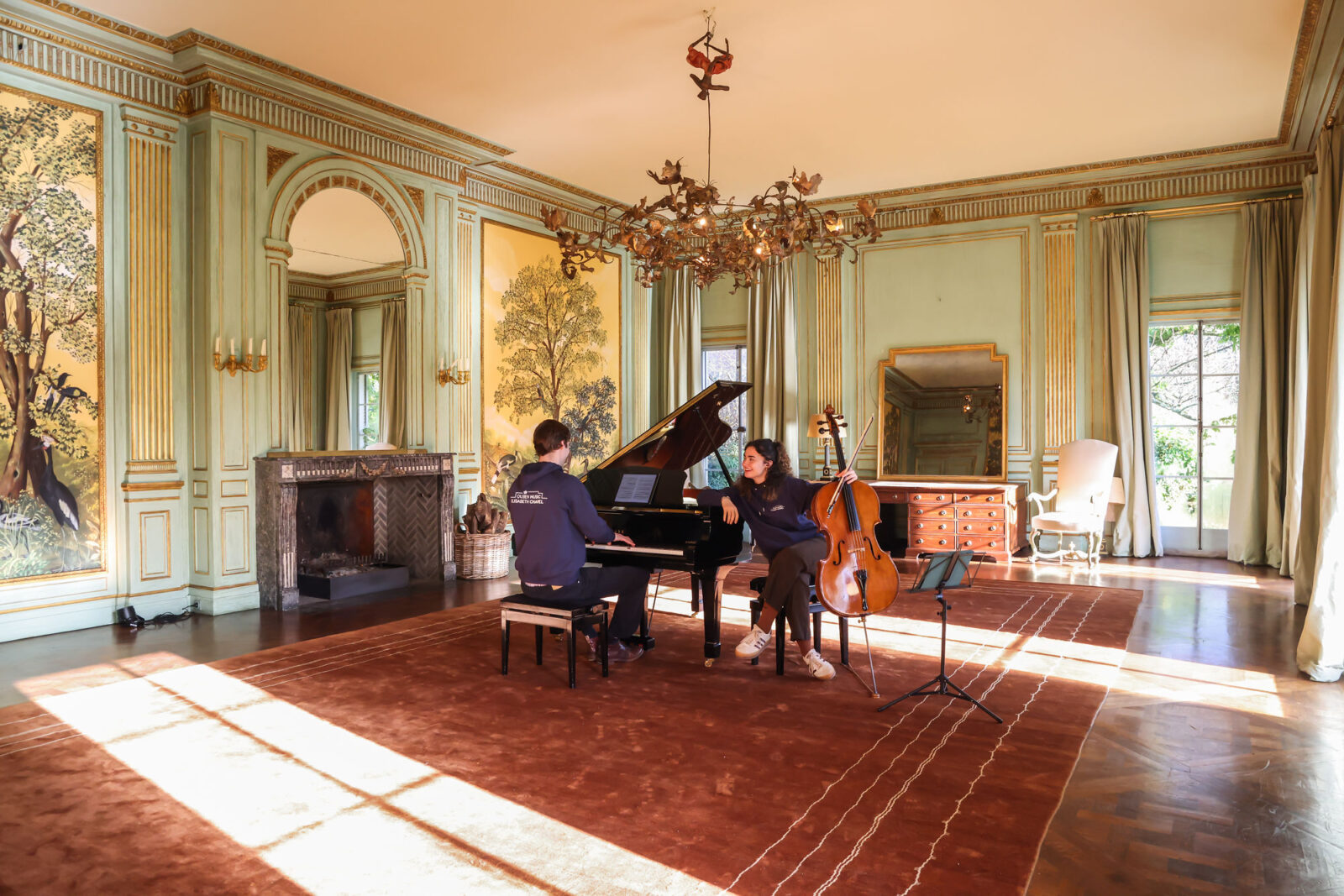
As of January 2026, the Queen Elisabeth Music Chapel has the privilege to expand its activities to the Argenteuil Estate, a setting as magnificent as it is inspiring, made available thanks to the generosity of philanthropists who are deeply committed to our mission.
This expansion, on land directly adjacent to our historic site, allows us to dream even bigger for our Artists in residence: more housing, an even more intensive and diverse training programme, new spaces for creation, cross-disciplinary collaboration, and an even closer connection between music, nature, research and social engagement.
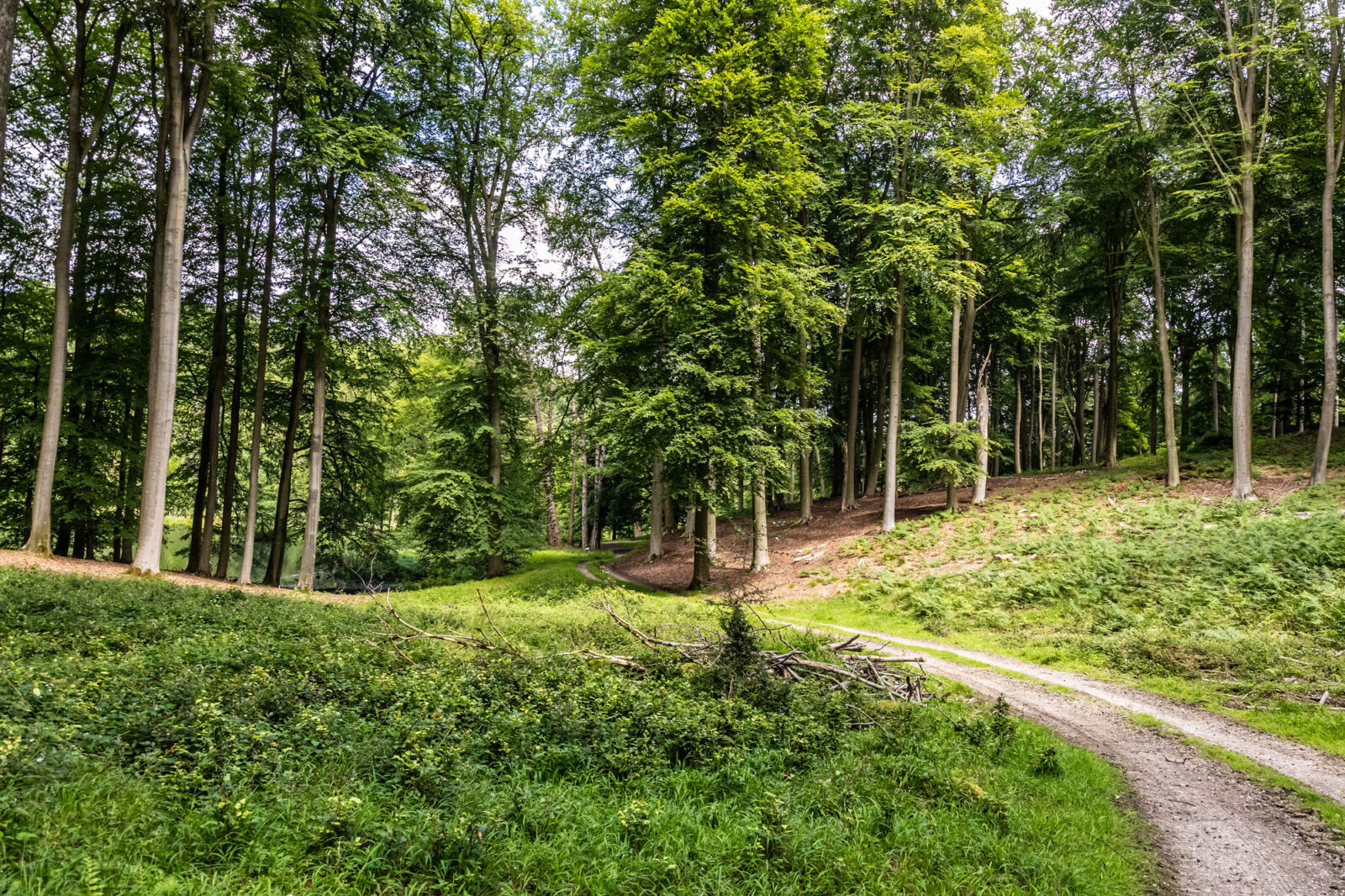
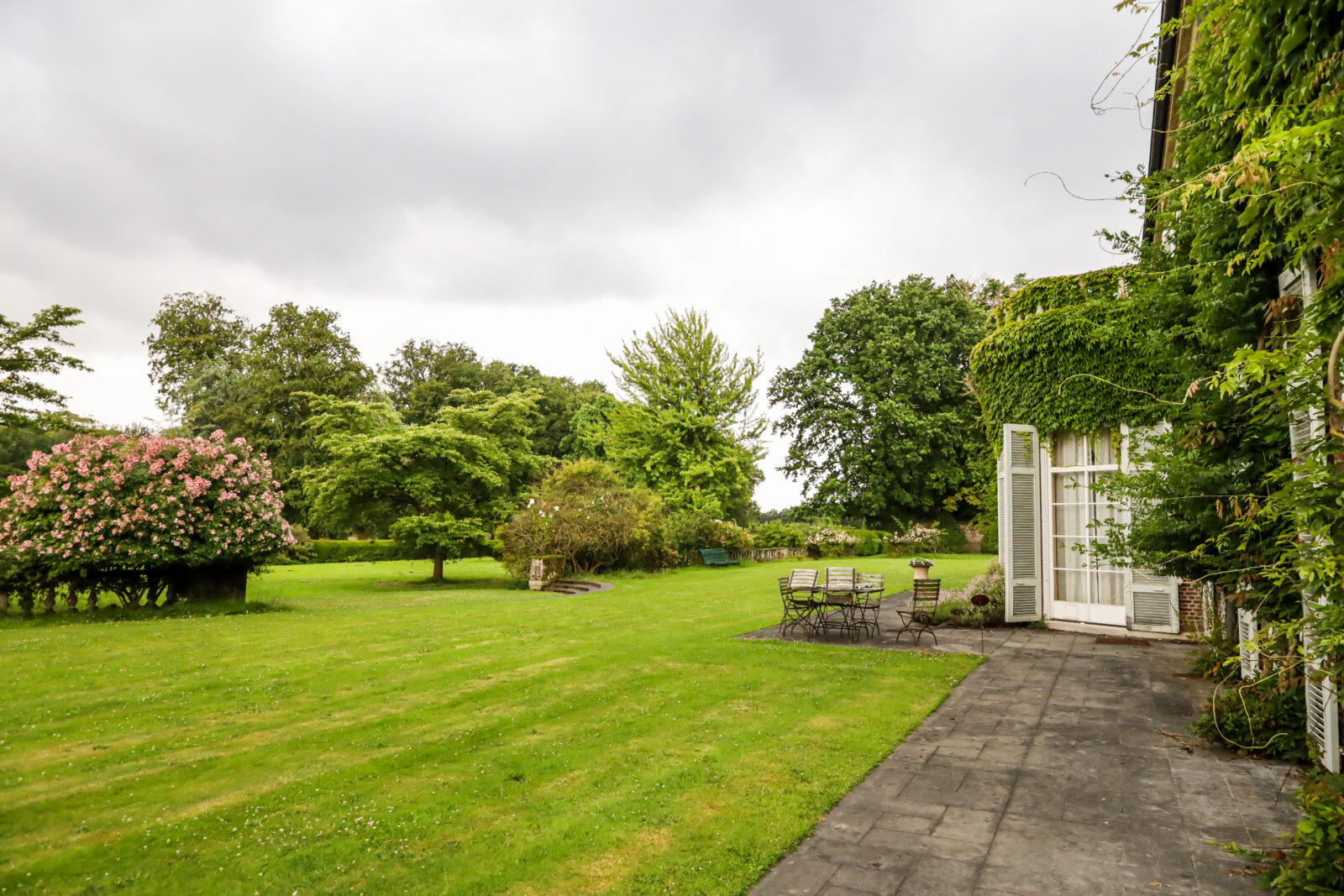
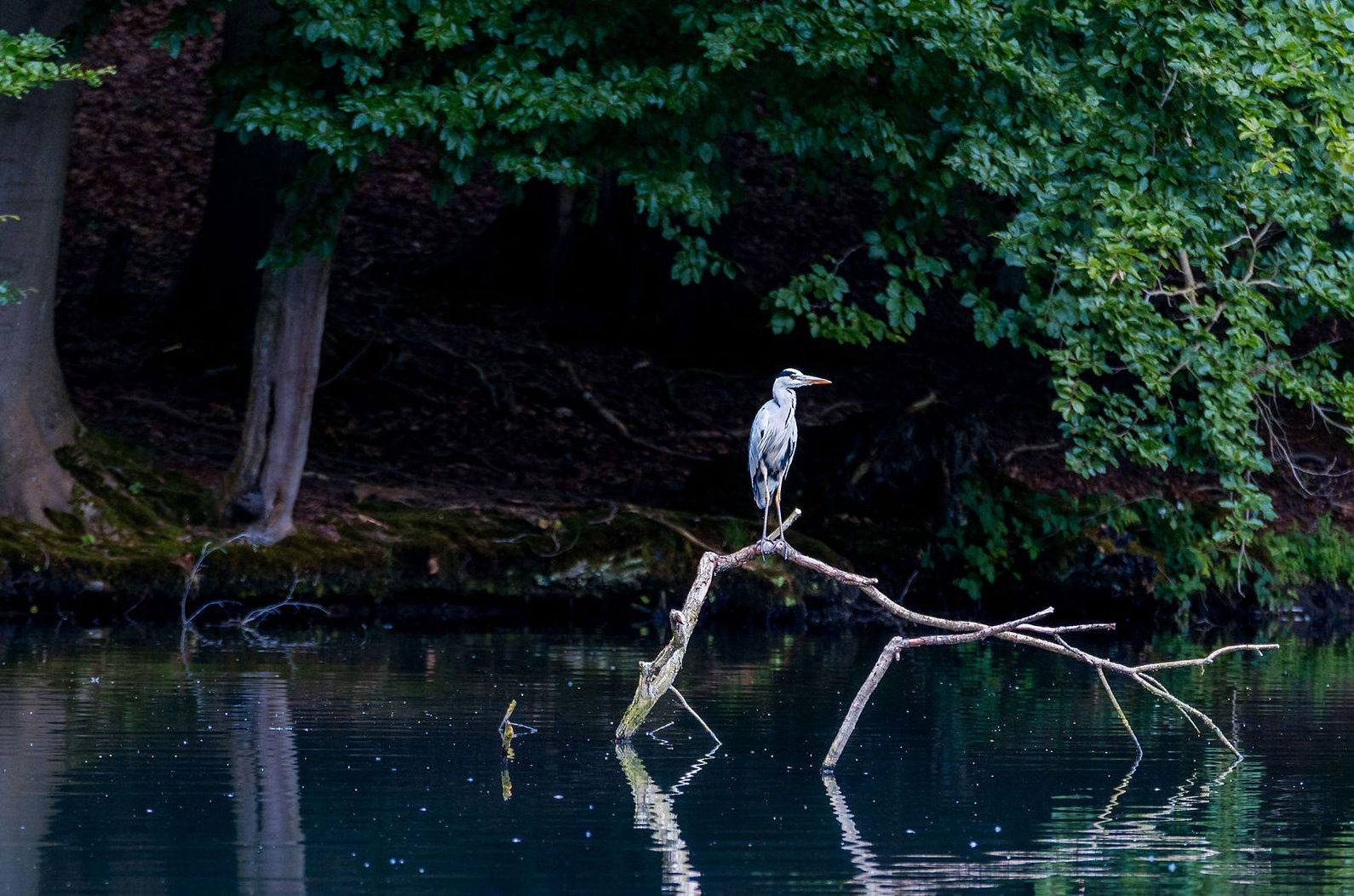
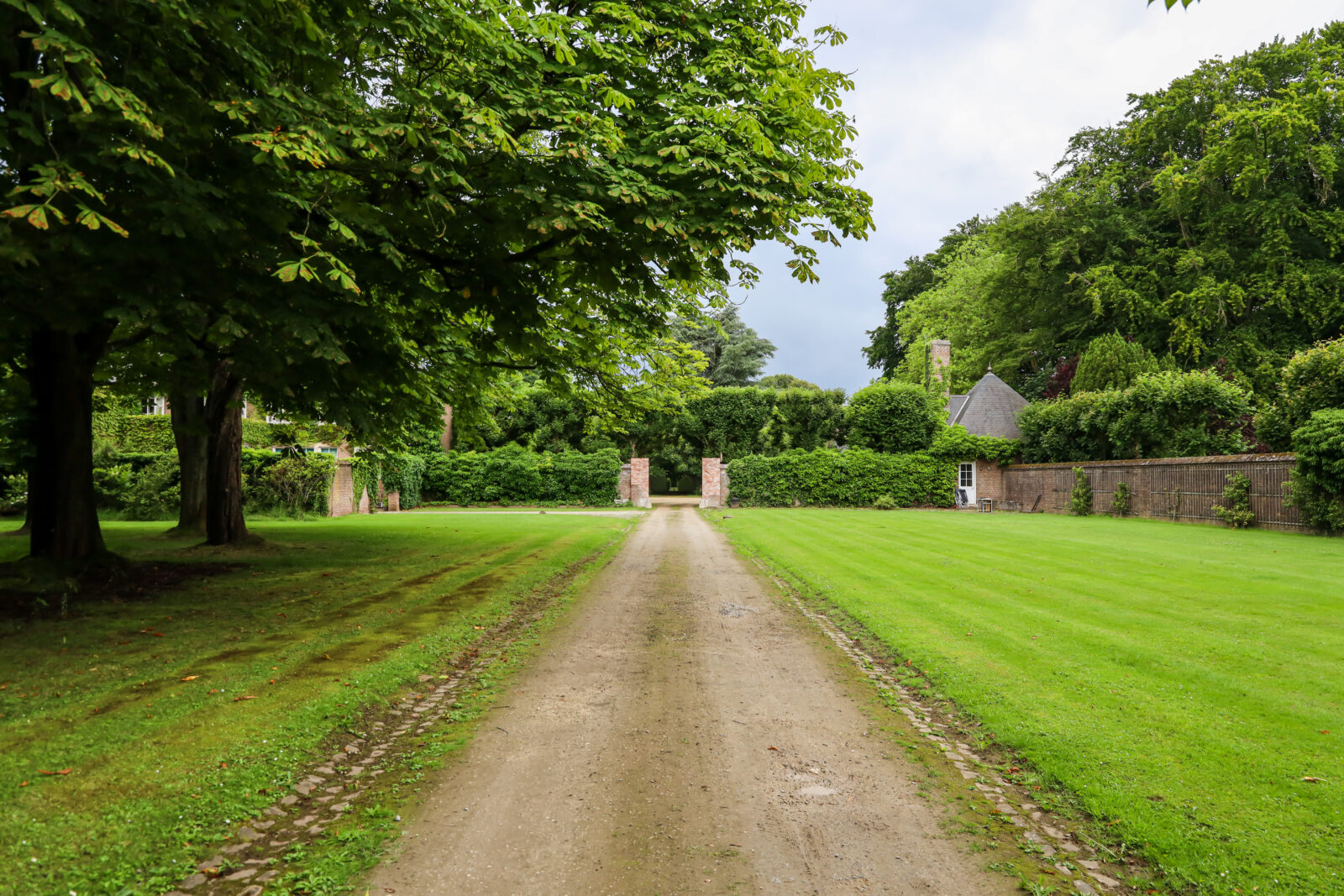
The Argenteuil Estate, with its 136 hectares on the edge of the Sonian Forest – a large part of which is classified as Natura 2000 – is set to become a unique meeting place between music and nature.
A Wealth of New Opportunities
Access to the Argenteuil Estate will allow the Music Chapel to double its housing capacity for Artists in residence, strengthen its training offer, and further expand its international notoriety. The site will also make it possible to expand living spaces for the Artists in residence, to increase the number of masterclasses, courses and collaborations, and deepen interdisciplinary work across the six existing sections (violin, piano, cello, voice, viola and chamber music).
The site will enable the development of new initiatives that are currently constrained by a lack of space: hosting Composers in residence and artists from other disciplines such as dance or literature; undertaking scientific research on the impact of music; and promoting contributions to peace and to a necessary rethinking of our relationship with the living world. It will also improve the working conditions of the Music Chapel’s staff. This evolution is fully in line with the Music Chapel’s development since its founding in 1939.
Our world is in great need of music – especially live music, built on mutual support and collaboration. The expansion of the Music Chapel to the ‘Argenteuil Music Estate’ offers an extraordinary opportunity for our community of Artists in residence. Companionship, concentration, concerts and… life in the heart of nature will provide ideal conditions for working together and shaping this site into an oasis of beauty and fraternity.
The Argenteuil Estate: Historical Milestones
The Argenteuil Estate, located on the outskirts of Brussels, immediately evokes significant chapters of our shared history. A place of rest, inspiration and contemplation, it forms a green enclave where culture and nature are in regular dialogue.
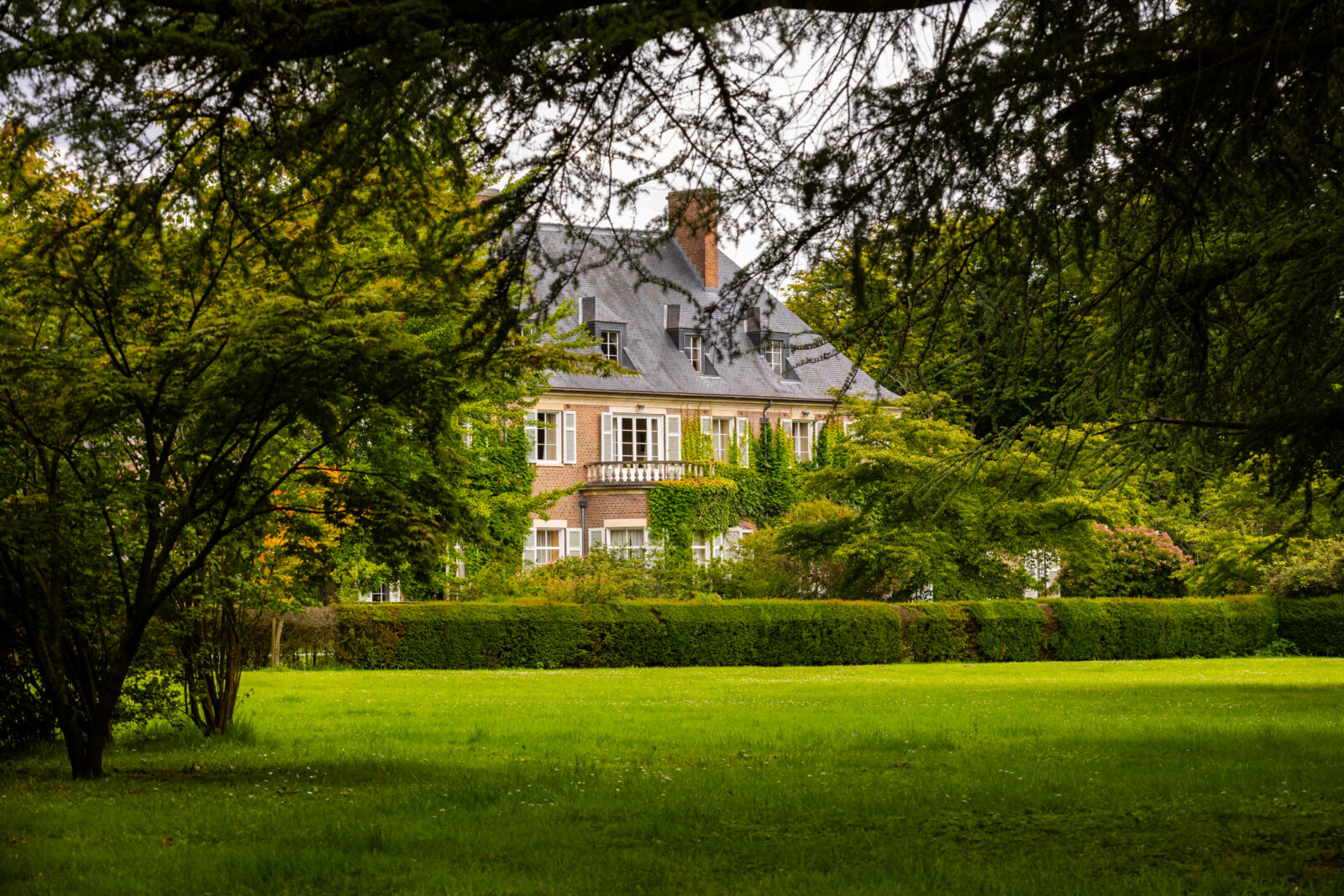
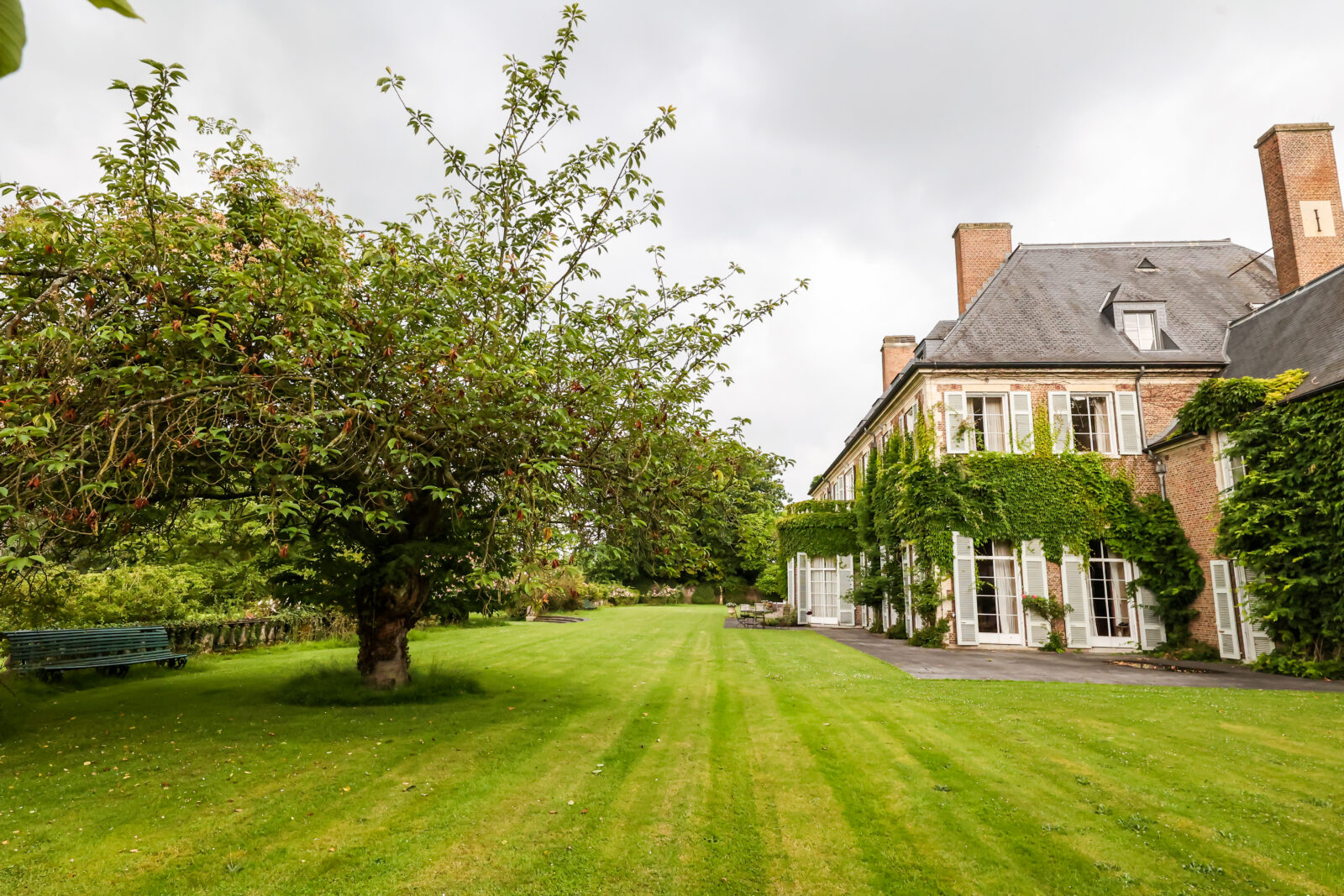
Created between 1833 and 1836 by Ferdinand de Meeûs, the estate saw the construction of the Château d’Argenteuil, which today houses the École européenne Bruxelles-Argenteuil. The property remained in the de Meeûs family, and two royal decrees, in 1937 and 1938, authorized the Counts de Meeûs and their descendants to add the name Argenteuil to their surname.
From 1929 onwards, part of the estate was acquired by the American businessman William Hallam Tuck, who had a residence built there – Château Bellevue, also known as Château Tuck – designed by New York architect William Delano. In 1949, the estate was sold to the Belgian State, which entrusted its use to SNCB.
In 1951, Prince Charles of Belgium declined the offer to live there. The estate then served as a venue to welcome distinguished guests, notably during the 1958 World Expo. From 1961 onwards, King Leopold III and Princess Lilian settled in Argenteuil with their children and lived there until the princess’s death in 2002. They welcomed many prominent figures there, and the Fondation cardiologique Princesse Lilian held its conferences on the estate.
Subsequently, the Argenteuil Estate passed into the hands of private owners keen to preserve this exceptional site and its natural environment. Today, a new artistic and educational oasis for outstanding young Belgian and international musicians is about to emerge on this historic estate.
A collective adventure driven by generosity and commitment
Since its founding in 1939, the Queen Elisabeth Music Chapel has been able to pursue its mission and continue to grow only because to the trust placed in it.
Today, the Music Chapel’s patrons community is once again undergoing significant development; has a new milestone been reached?
The Périer-D’Ieteren family has chosen to acquire the Argenteuil Estate and, in doing so, to develop the capacities of the Queen Elisabeth Music Chapel, support training towards musical excellence, and promote Belgium’s international influence. In line with the purchasers’ wishes, the natural estate—partially classified as Natura 2000—will also be managed with a long-term focus on preserving the region’s wildlife and plant life.
A philanthropic gesture that changes the game for the Music Chapel.
To meet the challenges of this new historic phase, the founding patrons of Argenteuil have also come together to support the Music Chapel in this expansion project and accompany the pilot phase over the first two artistic seasons.
The Argenteuil Music Estate stands as tangible proof that Culture can inspire new forms of engagement. Through this provision, it is not merely a place that is being revitalised: it is a vision of society that is being strengthened.
We see in this partnership a sign of hope and an invitation to imagine new models to support the artists of tomorrow. It paves the way for an active, creative and resolutely future-oriented form of philanthropy.
We extend our deepest gratitude to the Périer-D’Ieteren family and to all the patrons and founding partners of the project.